By Samuel Gari and Tanimu Iro
As Nigeria moves steadily towards the 2027 presidential election, political observers are closely examining the strengths and weaknesses of the leading contenders expected to shape the contest.
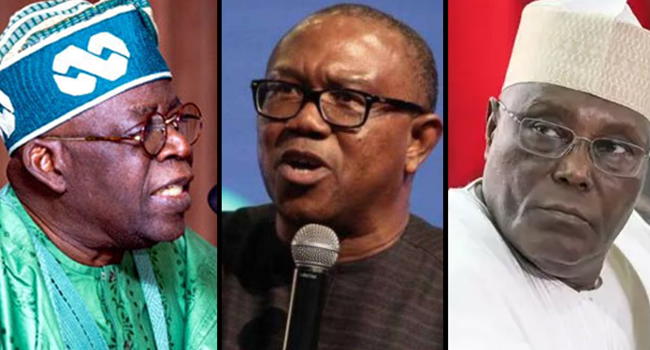
President Bola Ahmed Tinubu enters the race with the advantage of incumbency, extensive political networks and ongoing economic reforms aimed at stabilising the nation. Supporters argue that infrastructure development, tax reforms and efforts to attract investment are signs of progress.
However, critics point to the high cost of living, inflation, unemployment and widespread economic hardship as factors that have generated public dissatisfaction and could affect his electoral prospects
Former Vice President Atiku Abubakar remains one of Nigeria’s most experienced politicians. His supporters highlight his private-sector experience and long-standing commitment to democratic politics.
Yet, having contested several presidential elections unsuccessfully, he faces questions about voter fatigue and whether Nigerians are willing to give him another opportunity. His ability to unite diverse political interests may ultimately determine his chances.
Former President Goodluck Jonathan continues to enjoy goodwill among some Nigerians who remember the relative political stability and economic growth recorded during his administration. Nevertheless, concerns over security challenges that emerged during his tenure and questions about whether the country should return to a former leader may limit his appeal among some voters.
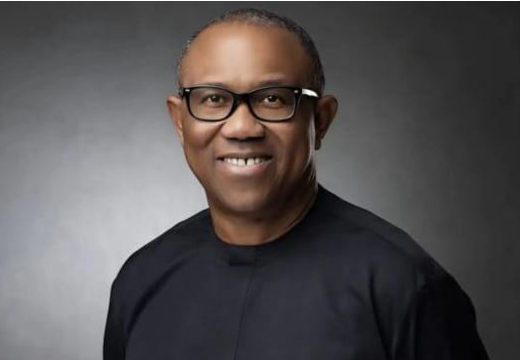
Peter Obi remains popular among many young Nigerians and urban voters due to his message of accountability, prudence and reform. However, translating enthusiasm into nationwide electoral victory remains a significant challenge. In parts of Northern Nigeria, political realities and voting patterns could complicate his path to victory. Furthermore, the influence of a regional political heavyweight may divide opposition votes in key states, particularly Kano.
Among the emerging contenders, Dr. Gbenga Olawepo-Hashim presents himself as a good alternative. The businessman and politician is regarded by supporters as one of the younger candidates in the race, with extensive business interests, international exposure and a reputation largely free from major corruption allegations. His advocates also point to his long involvement in democratic struggles, national unity advocacy and broad relationships across Nigeria’s diverse regions.
Whether these attributes will translate into electoral success remains uncertain. However, proponents argue that his message of generational renewal, economic growth and national cohesion could resonate with voters seeking a departure from established political rivalries.
Ultimately, the 2027 election is likely to be decided not by rhetoric alone, but by which candidate most convincingly addresses Nigerians’ concerns about security, economic prosperity, national unity and good governance.
Writers are based in Kaduna