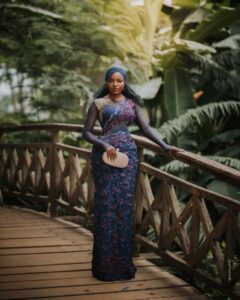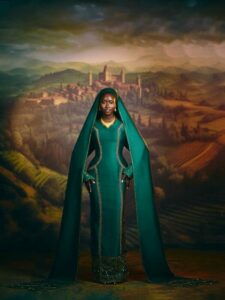
Amina Jagunmolu is quietly reshaping modest luxury fashion in Abuja through her brand 047 Atelier, blending Northern-inspired elegance, corsetry, and indigenous storytelling into eye-catching contemporary designs.
Once disconnected from fashion despite growing up around it, her journey began unexpectedly in 2016 after discovering an abandoned sewing machine in Calabar. What followed was a self-taught path built on YouTube tutorials, observation of local tailors, and relentless experimentation that birthed her signature creative identity.
“Modesty,” she says firmly when asked what influence the North had on her style. “Northern people are very intentional about elegance and modesty. They don’t dress cheap.” That influence is visible in her silhouettes, structured corsetry softened with flowing modest cuts, luxurious fabrics and understated glamour.
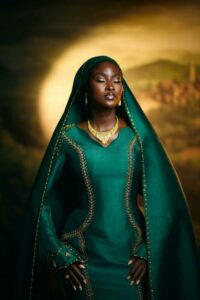
Today, her designs fuse structured corsetry with flowing modest silhouettes, reflecting Northern cultural values of elegance and restraint while redefining how modern women express identity through clothing. For her, fashion is not just aesthetic, it is emotional storytelling, with each piece shaped by mood, memory, and meaning.

Beyond creativity, Jagunmolu is a strong advocate for reviving Nigeria’s textile industry, championing indigenous fabrics like Aso Oke, Akwete, Saki, and Adire as the future of global African fashion. She insists Nigeria must move beyond imported materials to unlock full creative and economic potential. Despite rising production costs, unstable power supply, and structural business challenges, she remains committed to building a globally competitive Nigerian fashion identity rooted in culture, craftsmanship, and innovation.

For Jagunmolu, fashion is ultimately a statement of identity and direction, what you wear, she believes, should reflect not just who you are, but who you are becoming. “You can’t put fine wine in dirty wineskins,” she says. “Wear what honours who you are, not just where you are, but where you are going.” For the designer, fashion is no longer just about clothes. It is identity, heritage, confidence and possibility stitched together in fabric.
She also recounts frustrations with receiving payments from international clients and dealing with administrative errors during company registration. “Running costs are out of this world,” she says. Yet, in spite of the challenges, she remains hopeful about Nigerian fashion’s global future. “We are getting there gradually,” she says. “A time is coming when people will proudly wear cultural attire not just for weddings or Sundays, but to work, to meetings and on global stages.”