…Church Survives Four Attacks, Records About 20 Deaths Per Incident in Bassa
By Golok Nanmwa
JOS — The Nigerian Baptist Convention’s Conference Presidents and their wives have expressed concern over persistent attacks on churches and Christian communities in Plateau State and other parts of Northern Nigeria, warning that killings, displacement of worshippers and destruction of church infrastructure are threatening church growth and missionary activities in the region.
The Baptist leaders called on governments at all levels to move beyond promises and take decisive action to address the insecurity affecting communities across the country.
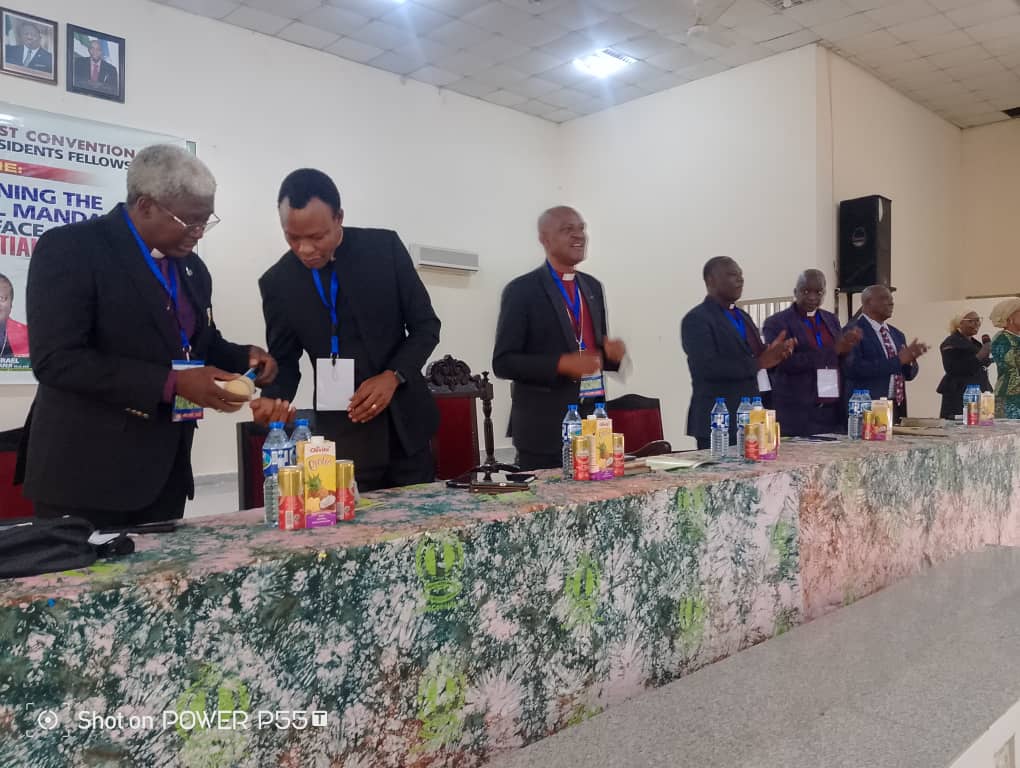
The concerns were raised at the end of a three-day annual retreat of the National Fellowship of Conference Presidents of the Nigerian Baptist Convention held at the National Institute for Policy and Strategic Studies (NIPSS), Kuru, in Jos South Local Government Area of Plateau State.
Speaking during the retreat, which was hosted by the Plateau Baptist Conference, the President of the Plateau Baptist Conference and Vice Chairman of the Christian Association of Nigeria (CAN), Plateau State chapter, Rev. Dr. Kogleh Saleh, lamented that churches in the state had endured more than two decades of violence and attacks targeted at Christian communities.
According to him, the recent shift in attacks from urban centres to rural communities has negatively affected Baptist missionary work, particularly church planting efforts.
“Like some other church denominations on the Plateau, the churches of the Plateau Baptist Conference have walked through the valley of affliction due to repeated religious violence and systemic attacks on Christian communities that have bedevilled the state for over two decades,” Saleh said.
He disclosed that several churches had either been destroyed or forced to shut down due to attacks on their host communities.
Saleh said nine churches in the Mangu Central Baptist Association alone had been affected, including Alheri Baptist Church, Washna, where both the church building and pastorium were completely destroyed.
“The entire Christian community has been forcefully dispossessed of its land and displaced from its ancestral homes. Consequently, the church has remained closed since 2022,” he said.
He listed other affected churches as Alheri Baptist Church, Kwagaskippanlang; Farawa Baptist Church, Changal; and Shiloh Baptist Church, Kombili.
Despite the challenges, Saleh commended members of the affected churches for their resilience and commitment to worship.
He particularly praised members of Alheri Baptist Church, Jwakmaitumbi, who continued worshipping in a primary school after being displaced from their community.
He also cited the case of Bethel Baptist Church, Kantoma, where members continued worship despite losing more than 40 members, including their pastor, the late Rev. Mangmos, during an attack on the community.
“The brethren did not fail in assembling themselves for worship while in the refugee camp until they returned to Kantoma,” he said.
Saleh further highlighted the experience of Baptist Church, Ancha, in Bassa Local Government Area, noting that the community had survived repeated attacks in which about 20 church members were killed during each incident.
According to him, the church remains a symbol of resilience despite recurring violence, displacement and loss of lives.
He added that several churches continue to operate in communities largely abandoned by their original inhabitants because of insecurity.
On the economic impact of the attacks, Saleh said the crisis had significantly reduced church income and increased financial pressure on the conference.
He noted that Baptist churches across Northern Nigeria continue to face threats from kidnapping, banditry and insurgency, largely because many of their missionary activities are concentrated in rural areas.
Saleh urged government to fulfil its constitutional responsibility of protecting lives and property and advocated the establishment of state police as part of measures to address insecurity.
“The government must match its words with action.
“Security personnel who compromise their duties should be sanctioned, while communities should be empowered to protect themselves within the law.
“We also look forward to the establishment of state police, which has remained one of the recurring promises by government,” he stated.
Speaking on the significance of the retreat, Saleh said the gathering brought together conference presidents and their wives from Nigeria’s 36 states and the Republic of Côte d’Ivoire.
He noted that the theme of the retreat, ‘Sustaining the Gospel Mandate in the Face of Existential Threats,’ was particularly relevant given the security challenges facing Plateau State and other parts of the country.
Also speaking, Chairman of the National Fellowship of Conference Presidents, Rev. Dr. Richard Udoh King, said insecurity in Northern Nigeria affects all Nigerians regardless of their location.
In his remarks, the Director-General of NIPSS, Prof. Ayo Omotayo, urged religious organisations to continue promoting honesty, integrity and national development.