– Says govts cannot address women’s healthcare challenges alone
– Seeks stronger partnership with NGOs, health institutions, development partners
Sunday Aborisade in Abuja
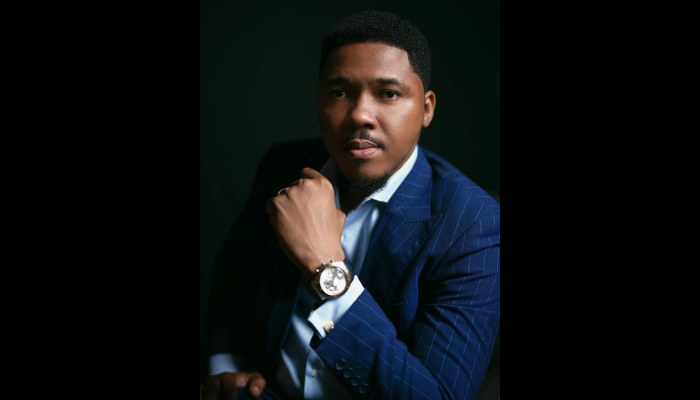
The Vickyheldan Empowerment Foundation (VEF), a non-profit organization founded by Nigerian entrepreneur, Dr. Victory Ifeoma Njoku, on Thursday called for the establishment of a continent-wide alliance to combat Africa’s high maternal mortality rate and growing mental health challenges among women, warning that governments alone lack the capacity to address the escalating healthcare crisis.
The foundation focuses on improving healthcare access, advancing gender equality, promoting quality education, and championing community outreach across Nigeria and the African continent in alignment with UN Sustainable Development Goals.
Njoku stated this at a press conference in Abuja ahead of the Her Health Her Power Conference Africa 2026, scheduled for August 20.
She urged governments, non-governmental organisations (NGOs), healthcare institutions, development agencies and private sector stakeholders to forge stronger partnerships aimed at improving healthcare outcomes for women across the continent.
The conference, themed “Leading with Wellness for a Sustainable Africa,” is expected to bring together policymakers, healthcare professionals, researchers, development partners, corporate leaders and advocates to formulate practical solutions to critical health challenges facing African women and girls.
According to her, the initiative seeks to move beyond policy conversations and deliver measurable interventions that can strengthen healthcare systems, particularly in rural and underserved communities where access to quality medical services remains limited.
“It is quite unfortunate that we are where we are today when it comes to healthcare in Africa. The government cannot do it alone. That is why we are calling on partners and NGOs to come together and create a synergistic relationship that will drive growth and increase awareness, especially regarding women’s health,” Njoku said.
She stressed that maternal and reproductive healthcare would occupy a central place in the conference agenda, with participants expected to develop practical strategies for reducing maternal deaths and improving access to quality healthcare services for women.
“This is not just a conference where people come together to talk. There is already too much talking. What we are doing is creating an action plan. Behind the scenes, we have been reaching out to women in rural communities and exploring partnerships with healthcare facilities and hospitals to strengthen healthcare delivery,” she stated.
Njoku said her foundation was already engaging communities and healthcare providers ahead of the conference, adding that outreach programmes would continue after the event to ensure that discussions translate into tangible improvements in women’s health and wellbeing.
She underscored the importance of health education and awareness campaigns, noting that empowering women with accurate information remains one of the most effective tools for improving health outcomes across Africa.
“If we continue to create awareness and drive the message home, we will empower more women, especially those in underserved communities, with the knowledge they need to make informed decisions about their health,” she said.
The health advocate expressed concern over the continent’s persistently high maternal mortality figures, insisting that governments must leverage the reach and community networks of NGOs to bridge existing gaps in healthcare delivery.
“Many NGOs are already working in communities where government agencies struggle to reach. They have the data, the relationships, and the understanding of the challenges people face. Collaboration is essential if we want to make meaningful progress,” she added.
Njoku also identified mental health as one of the most neglected aspects of women’s healthcare in Africa, saying the conference would feature specialists who would address issues relating to emotional wellbeing, stress management, domestic violence and other psychosocial challenges confronting women.
“There is a lot going on with women that we do not discuss enough. Mental wellness is very important. Many women are stressed and exhausted, yet society still expects them to keep showing up.
These are issues we must address if we are serious about improving women’s health,” she said.
She further disclosed that engagements with policymakers and legislators would form a key component of the conference, expressing confidence that sustained advocacy could drive reforms and legislation that strengthen healthcare systems across the continent.
She said, “We are engaging stakeholders, policymakers and legislators because improving women’s health benefits society as a whole.
“When you improve a woman’s health, you improve families, communities and economies. It is not about politics; it is about creating a healthier society for everyone,” she noted.
Describing women as the backbone of African societies, Njoku said sustainable development would remain elusive unless governments and stakeholders place women’s health and wellbeing at the centre of development policies.
“A sustainable Africa cannot be built without healthy women. Wellness is not a luxury; it is a necessity. It is the foundation upon which strong families, productive economies and prosperous nations are built,” she said.
She added that the conference would focus on advancing maternal and reproductive health, promoting mental wellness, encouraging preventive healthcare, strengthening women’s leadership and economic participation, and building partnerships capable of delivering lasting social impact across Africa.
“The future of Africa depends on the wellbeing of its people, and the wellbeing of its people begins with the wellbeing of its women. Together, let us lead with wellness and build a stronger, healthier and more sustainable Africa,” Njoku said.