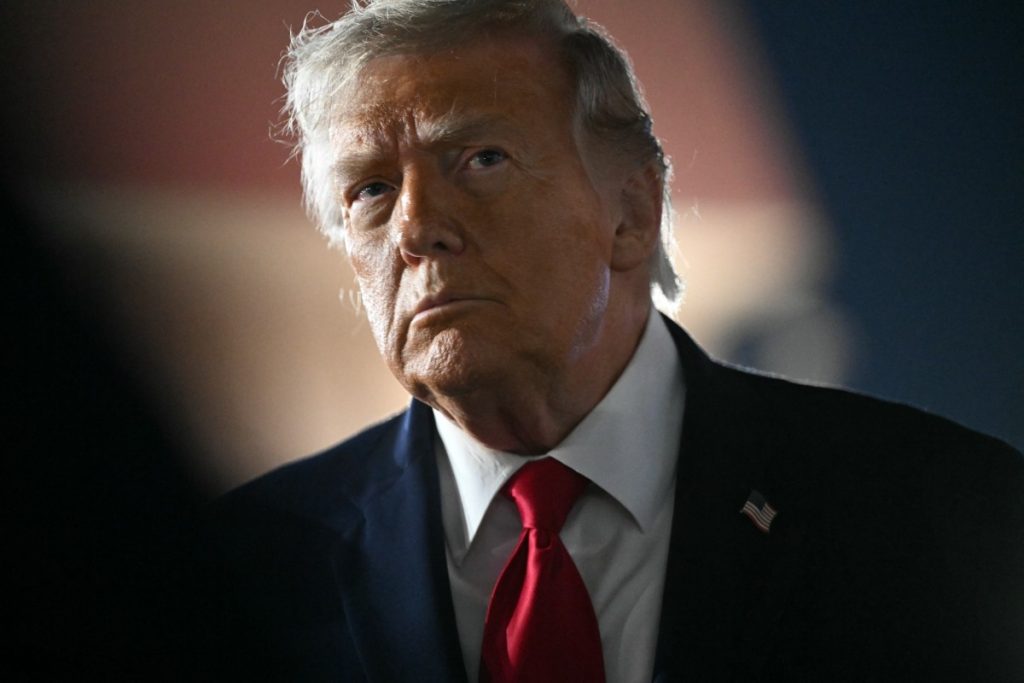
Sports administrator and football stakeholder Ahmed Shuaibu Gara-Gombe has mounted a robust defence of Ibrahim Gusau, insisting that the president of the Nigeria Football Federation should not be held responsible for the Nigeria national football team’s failure to qualify for the 2026 FIFA World Cup.
In a strongly worded article titled “Eagles World Cup Miss, Gusau Not to Blame”, Gara-Gombe argued that criticism directed at Gusau in the aftermath of Nigeria’s absence from the global showpiece is misplaced and fails to recognise the complexities of football administration.
As attention shifts towards the World Cup in the United States, Canada and Mexico, Gara-Gombe acknowledged the disappointment felt by millions of Nigerians at missing another opportunity to watch the Super Eagles compete on football’s biggest stage.
However, he maintained that assigning sole responsibility to Gusau ignores what he described as a broader chain of accountability involving administrators, technical personnel and players.
According to him, the NFF president has become an easy target for critics despite inheriting deep-rooted structural challenges within the federation.
Gara-Gombe claimed that Gusau took over an organisation burdened by longstanding administrative issues, financial liabilities and policy decisions that predated his tenure. He cited inherited debts, unresolved bonus disputes, coaching appointments and controversial infrastructure projects as examples of challenges the current administration had to confront upon assuming office.
The veteran football stakeholder further alleged that internal divisions and personal interests within the federation undermined efforts to ensure Nigeria’s successful qualification campaign.
He accused certain officials of prioritising personal ambitions and continental appointments over the national interest during crucial periods of the qualification race, describing them as “enemies within” who worked against the federation’s objectives.
Gara-Gombe argued that while Gusau has accepted responsibility as the head of the federation, he has unfairly borne the brunt of public criticism for failures that should be viewed collectively.
He portrayed the NFF president as a leader who shields subordinates from public scrutiny during difficult moments while allowing others to take credit for successes.
The football administrator also questioned why similar criticism was not directed at previous administrations following Nigeria’s failure to qualify for the 2022 FIFA World Cup, insisting that the challenges facing Nigerian football did not begin under Gusau’s leadership.
While acknowledging the pain of missing the 2026 World Cup, Gara-Gombe concluded that blaming Gusau alone would distort the facts. Instead, he called for a more comprehensive examination of the factors that contributed to the Super Eagles’ failure, arguing that accountability should extend beyond the NFF president’s office.
His comments add a fresh dimension to the ongoing debate over who should bear responsibility for one of the most disappointing episodes in recent Nigerian football history. rnational tournaments.
The decision may also affect state sports development programmes, with many states traditionally relying on the festival to justify funding, training camps and athlete development in multiple sports.
Several stakeholders within the sports sector are already expressing fears that the exclusion of established team sports and combat events could weaken grassroots participation and further widen the gap between elite and developing sports in Nigeria.
Despite concerns, the NSC defended the restructuring, insisting that the streamlined format aligns with modern international practices.
Olopade explained that the Commission drew inspiration from the model adopted for the 2026 Commonwealth Games in Glasgow, where organisers also reduced and merged several sports to manage costs and logistics.
The Commission further reaffirmed its exclusive mandate to organise and coordinate the National Sports Festival, while promising improved communication with states through their respective Directors of Sports.
The approved sports for the Coal City Games include athletics and para-athletics, badminton and para-badminton, basketball and wheelchair basketball (3×3), boxing, canoeing and para-canoeing, cricket, cycling, darts, football, golf, gymnastics, judo, mixed martial arts, shooting and para-shooting, swimming, table tennis and para-table tennis, tennis, taekwondo, weightlifting and para-powerlifting, as well as wrestling.
Interestingly, although initial reports suggested shooting had been excluded, the NSC’s final approved list confirmed that both shooting and para-shooting will feature at the Games.
The Abuja meeting was attended by Directors of Sports from the six geopolitical zones, officials from the National Sports Festival and the Para Sports Department, and other key stakeholders in Nigerian sports administration.
While the Commission maintains that the restructuring is necessary for sustainability, attention will now shift to how the exclusion of several sports could reshape participation, athlete development and competitive balance at the 2026 National Sports Festival in Enugu.