The renewed push for state police in Nigeria has come at a time when the country is bleeding from many fronts. From kidnappings to banditry, cult violence, communal clashes, terrorism, separatist agitation and urban crime, the centralised police structure has become overstretched.
The House of Representatives, on June 11, 2026, passed a constitutional amendment bill seeking to allow Nigeria’s 36 states establish their own police forces, a major step in a debate that has lasted for decades.
Supporters say the reform will bring policing closer to the people, improve intelligence gathering and quicken response to emergencies. Critics fear it may hand governors a dangerous instrument of coercion.
No state better illustrates that fear today than Edo.
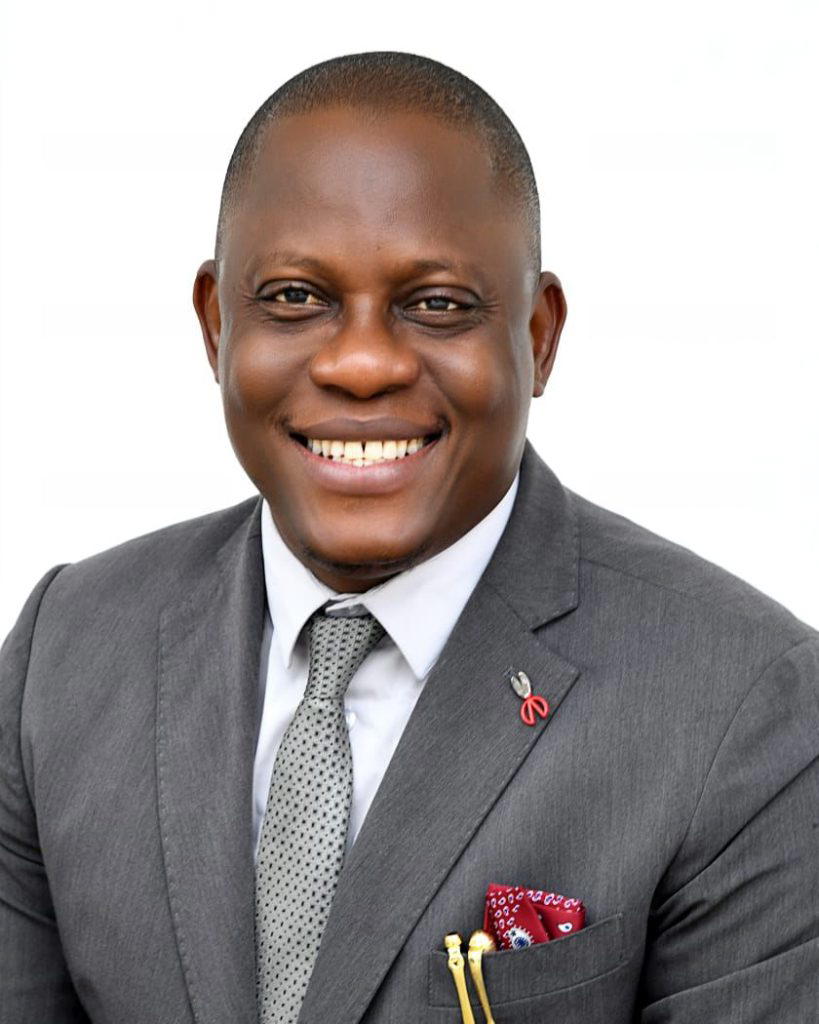
Governor Monday Okpebholo may insist that his actions are driven by security, discipline and political necessity. His supporters may argue that he inherited a divided state and must be firm to restore order. But the controversy around his posture towards opposition figures, elected local government chairmen and future elections raises the question Nigerians must answer before state police becomes law: what happens when a governor who already shows impatience with democratic restraint is given direct command of armed police?
The most dramatic example was his warning to Peter Obi, the 2023 Labour Party presidential candidate, not to visit Edo State without prior notification or security clearance. The governor’s camp later said the statement was not a threat but a protocol and security concern. Yet the symbolism was chilling. A Nigerian citizen, former governor and national opposition figure was effectively told that his movement into a state of the federation required the blessing of the governor.
If a governor, under the present federal police arrangement, can make such an open restriction against a political opponent, what would happen if that governor had his own state police command? Would opposition rallies require clearance from Government House? Would police permits become political weapons? Would security excuses be used to prevent rivals from entering “sensitive” areas? These are not imaginary fears. In Nigeria, incumbency is already powerful. State police could make it overwhelming.
The local government crisis in Edo deepens the concern. The battle over the suspension and removal of elected council chairmen became one of the earliest and most troubling tests of Okpebholo’s democratic temperament. Courts reportedly ordered the restoration of suspended local government chairmen and vice chairmen, while the opposition accused the administration of defying judicial pronouncements on the issue.
If such conflicts are backed by a state-controlled police force, elected local officials could be locked out of offices, intimidated from resuming, or forced to submit to the political mood of the governor. The danger is not simply that one governor may abuse power; it is that the structure may make abuse easy.
Then there is the brazen electoral language. Okpebholo has been linked with the pledge to deliver 3.5 millions of votes for President Bola Tinubu in 2027.
In a democracy, leaders should promise good governance, not pre-announced vote harvests. Elections are supposed to be decided by voters, not delivered by governors. When a sitting governor speaks as if millions of votes are already warehoused for a favoured presidential candidate, critics are right to worry.
If that same governor controls police, electoral competition may become even more uneven. Opposition campaigns may face “security restrictions.” Polling units may be over-policed in opposition strongholds. Local government officials may be pressured. Civil servants may be afraid. Traditional rulers may be summoned. The line between policing and political enforcement may disappear.
That is why the fear of state police is not academic. It is rooted in Nigeria’s history of powerful executives, weak institutions and security agencies that too often bend towards those in power. In the hands of democratic governors, state police could save lives. In the hands of intolerant governors, it could become the end of democracy at the state level.
Yet Nigeria cannot run away from the other side of the argument. The country’s security situation has become too grave for sentimental attachment to the status quo. Abuja cannot effectively police every village, forest, border community, market, school and highway. The federal police are overstretched, underfunded and often unfamiliar with local terrain. In many communities, criminals strike and vanish before federal formations can respond. Governors are blamed for insecurity but do not fully control the police commissioners posted to their states. That contradiction has become unsustainable.
State police, therefore, is becoming a necessary evil.
It is necessary because communities need protection. It is evil only if created without safeguards. The answer is not to reject state police outright, but to cage it constitutionally before it is born. Nigeria needs a model that gives states operational capacity without giving governors private armies.
First, state police must not be under the personal command of governors alone. Independent State Police Service Commissions should handle recruitment, discipline, promotion and complaints, with representation from the judiciary, civil society, traditional institutions, professional bodies and opposition parties. Second, there must be clear federal oversight where state police violate constitutional rights or interfere in elections. Third, police deployment during elections should be controlled by an independent framework involving INEC, the federal police and the courts, not by governors.
The Okpebholo example is a warning sign, not a reason to abandon reform. His controversies show what could go wrong if state police is handed to governors without restraint. But Nigeria’s insecurity shows what is already going wrong under centralised policing.
The task, therefore, is balance. Nigeria must not create state police that will become a weapon against Peter Obi today, another opposition figure tomorrow, elected council chairmen next week, and ordinary citizens thereafter. But Nigeria also cannot continue with a police system too distant to protect its people.
State police may be a necessary evil. The challenge is to make it necessary for security, but impossible for tyranny.