The June 30 ultimatum has arrived, and it is about more than undocumented migration. It reveals a growing crisis of confidence in government, the dangers of vigilantism, and why immigration enforcement must remain the responsibility of the state.
This ultimatum has unsettled thousands of immigrants living in South Africa. Although the deadline was never declared by the government, many foreign nationals have taken it seriously amid growing anti-immigration sentiment.
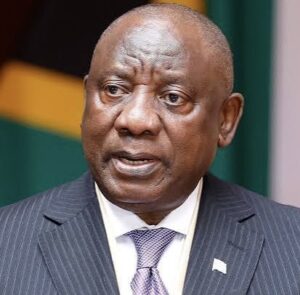
President Cyril Ramaphosa has said,
“The responsibility for enforcing immigration laws rests with the state and the state alone.” He has repeatedly pledged to strengthen immigration enforcement and close loopholes in the country’s immigration system; he has also insisted that enforcement remains the responsibility of the state.
Sadly, this situation has not only cast global attention on South Africa, but more importantly, laid bare a crisis of confidence in the government by its people.
When citizens begin setting immigration policy instead of the government, what does that say about the strength of a country?
Several South African citizens are frustrated by high unemployment rates, crime and poor service delivery. Many also believe that the government has failed to secure borders or enforce immigration laws consistently. As a result,
activist groups have issued their own ultimatum, resulting in the June 30th deadline for immigrants to leave South Africa.
The deadline was set by anti-immigration activist group March and March and openly supported by other groups like Operation Dudula and United South Africa, who endorsed the idea and joined in anti-immigration protests in South Africa. Some local civic organisations and community groups were also involved.
While illegal immigration is of genuine concern and every sovereign nation has the right to protect its borders and remove undocumented migrants, citizens resorting to violence, vigilantism and mob justice against either undocumented or legally resident immigrants can never be justified.
Immigration enforcement has always been the responsibility of the government.
Vigilante action will always undermine the rule of law. And as we have seen on some occasions in the case of South Africa, once citizens decide who belongs and who does not, everyone becomes a target, even legal immigrants.
While Ramaphosa himself has rejected citizens enforcing immigration laws, critics argue that despite increased security deployments, authorities have struggled to prevent attacks on both documented and undocumented migrants.
In the meantime, as immigrants have become convenient scapegoats, we should ponder the question: If every undocumented migrant disappeared tomorrow, would unemployment vanish? Would load-shedding end? Would corruption suddenly disappear? Would inequality cease to exist? The answer is almost certainly no.
The violence and threats surrounding the June 30 ultimatum have prompted some legal immigrants to flee or seek temporary shelter.
While illegal immigration tends to worsen existing pressures, South Africa’s structural problems have always existed and predate the present migration debate. This does not mean illegal immigration should be ignored, but it should not become the explanation or premise for every national problem.
The events surrounding the June 30 ultimatum risk damaging South Africa’s reputation. We have noticed time and again that South Africans residing in other African countries complain about how the anti-immigration protests are affecting them; some entertainers have spoken out and cancelled gigs as a result.
South Africa positions itself as a continental leader. Yet, recurring xenophobic violence has built up diplomatic tension with neighbouring countries, some of which have already begun helping citizens return home because of safety fears.
Countries including Malawi, Mozambique, Zimbabwe, Ghana, and Nigeria have assisted nationals seeking to leave South Africa due to safety concerns.
The continent of Africa cannot continue to preach continental integration while Africans are afraid to live in Africa’s most industrialised economy.
We understand that the frustrations of the people are real. However, directing anger solely at migrants ignores deeper policy failures. The rule of law matters most when emotions run high. If immigration policy is determined by street protests instead of legislation and courts, the consequences can be deadly.
We should understand that the June 30 deadline is less about immigration than it is about a crisis of governance.
And while South Africans deserve effective border management and lawful immigration enforcement, citizens issuing ultimatums that belong to the state are not the answer.
South Africa has the right to secure its borders and enforce its immigration laws. But it must do so through the Constitution, not through fear. If the government abdicates its responsibility, vigilantes will gladly fill the vacuum.
History has repeatedly shown that whenever governments lose control of immigration policy to the streets, it is democracy itself and not just migrants that suffer.
 Politics