Nigeria’s permanent representative to the United Nations, Senator Jimoh Ibrahim, has presented Africa’s position on the growing threat of illicit small arms and light weapons at the 9th Biennial Meeting of States convened by the United Nations.
The meeting reviewed the implementation of the Programme of Action aimed at preventing, combating, and eradicating the illicit trade in small arms and light weapons, as well as the International Tracing Instrument.
Speaking on behalf of the African Group, Senator Jimoh Ibrahim noted that 25 years after the adoption of the Programme of Action and twenty-one years after the International Tracing Instrument, the illicit trade in small arms and light weapons continues to fuel armed violence across the world.
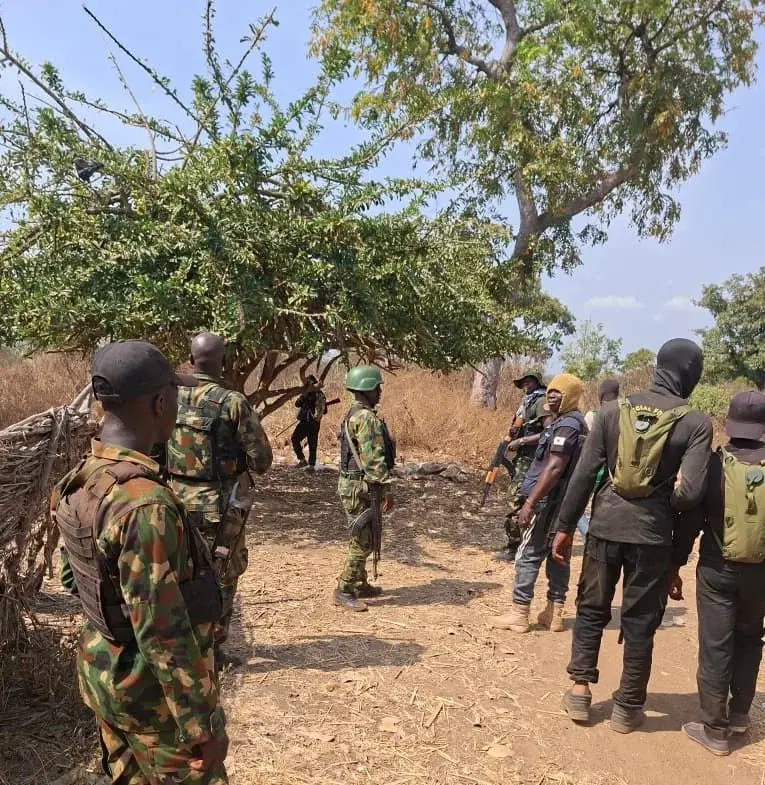
He described the situation in Africa as particularly alarming, stating that small arms and light weapons have become the continent’s true weapons of mass destruction, driving terrorism, transnational organized crime, prolonged conflicts, humanitarian crises, and the loss of countless lives.
According to the Nigerian envoy, the African Group viewed the meeting as an opportunity to translate longstanding commitments into measurable outcomes.
He explained that Africa’s participation is guided by the Common African Position, which outlines the continent’s priorities at the national, regional, and international levels.
He reaffirmed Africa’s commitment to the principles of sovereignty, territorial integrity, non-interference, self-defence, and the peaceful settlement of disputes as enshrined in the Charter of the United Nations.
The Nigerian diplomat highlighted four key priorities of the African Group, stressing that national implementation efforts must produce tangible results.
He noted that African countries have strengthened legal and regulatory frameworks governing the entire life cycle of small arms and light weapons, including their manufacture, marking, stockpile management, and disposal.
He further stated that African nations have invested in national coordinating bodies, designated points of contact, and national action plans to tackle the proliferation of illicit weapons.
He called on international partners to continue supporting these efforts while respecting national ownership and ensuring that assistance remains voluntary and demand-driven.
On the issue of diversion, Senator Jimoh Ibrahim said preventing weapons from falling into the wrong hands remains central to Africa’s agenda
He advocated stronger physical security and stockpile management measures in peacetime, conflict, and post-conflict situations, as well as improved end-user controls, monitoring systems, investigations, and information-sharing mechanisms.
He also urged the international community to criminalize the conversion of deactivated, blank-firing, and non-lethal firearms into fully functional weapons.
The African Group, he said, continues to call for a prohibition on the transfer of small arms and light weapons to unauthorised non-state actors, including criminal and terrorist organisations engaged in violent activities.