The Ondo State Government has set a target of enrolling about 500,000 residents into its health insurance scheme within the next one year as part of efforts to achieve Universal Health Coverage (UHC).
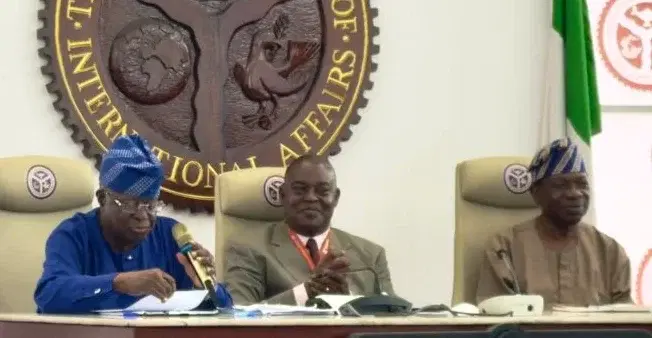
The Director-General of the Ondo State Contributory Health Commission (ODCHC), Abiodun Oyeneyi, disclosed this on Tuesday at the maiden National Summit of State Social Health Insurance Agencies (SSHIAs) held at the International Culture and Event Centre, Akure.
The development came a day after Governor Lucky Aiyedatiwa unveiled a N1 billion Hospital Intervention Fund and announced free health insurance coverage for retirees, in what officials described as a major push to expand access to affordable healthcare across the state.
Oyeneyi said the governor’s recent interventions were expected to significantly strengthen the state’s drive toward universal health coverage and improve healthcare delivery for residents.
According to him, more than 300,000 residents are already enrolled under the state health insurance scheme known as ORANGHIS, which covers public servants, informal sector workers, beneficiaries of the Basic Healthcare Provision Fund, and participants in the Abiyamo Maternal and Child Health Insurance Scheme.
He also noted that over 60,000 federal civil servants in Ondo State are enrolled under the National Health Insurance Scheme (NHIS), while plans are underway to extend coverage to about 34,000 retirees.
Oyeneyi expressed optimism that with the planned expansion, total enrolment would rise to nearly 500,000 by next year, moving the state closer to universal health coverage.
Describing health insurance as a key tool for sustainable healthcare financing, he urged residents to key into the scheme, stressing that it offers financial protection and guaranteed access to quality medical services.
“A complementary way to support the effort of government is through health financing, and one major pillar is health insurance, where we all come together, contribute, and use those resources to provide services, improve care, upgrade infrastructure and equipment,” he said.
He added that the scheme covers a wide range of services, including treatment for malaria, respiratory infections, antenatal care, deliveries, caesarean sections and surgeries.
On drug supply challenges, Oyeneyi said collaboration with the Ondo State Drug and Health Commodities Management Agency had helped reduce stock-outs in health facilities, while new infrastructure, including a UNICEF-supported pharmaceutical-grade warehouse and logistics vehicles, had strengthened drug distribution across the state.