…unveils nationwide reform plan, pushes rehabilitation into primary healthcare, insurance scheme
By Joseph Erunke, Abuja
The Medical Rehabilitation Therapists (Registration) Board of Nigeria,MRTB, has raised concern over the alarming gap in rehabilitation services across the country, revealing that more than one-third of Nigerians require rehabilitation care while access to such services remains grossly inadequate.
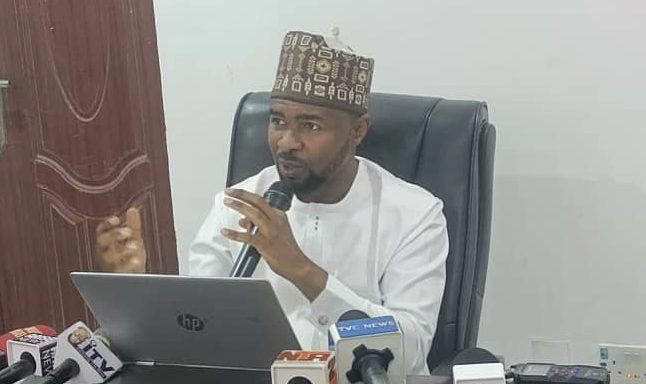
Speaking Tuesday, at a press conference in Abuja, the Registrar/Chief Executive Officer of the Board, Prof. Rufai Yusuf Ahmed, unveiled an ambitious national reform agenda aimed at integrating rehabilitation into Nigeria’s healthcare system, expanding workforce capacity, reviving rehabilitation centres and digitising regulatory processes.
Prof. Ahmed said the growing burden of non-communicable diseases, injuries, conflicts, disasters and an ageing population has significantly increased the demand for rehabilitation services, making it imperative for Nigeria to strengthen its response in line with the World Health Organisation’s Rehabilitation 2030 Initiative.
According to him, rehabilitation is no longer a luxury but a critical component of healthcare that enables individuals to regain mobility, independence, productivity and social inclusion after illness, injury or disability.
“One-third of the world’s population has health conditions that can benefit from rehabilitation. Nigeria is not exempted. The need is increasing daily, but the services remain unavailable or inaccessible to many citizens,” he said.
In what could mark a major shift in healthcare delivery, Ahmed disclosed that the Coordinating Minister of Health and Social Welfare has approved the integration of rehabilitation services into Primary Healthcare Centres ,PHCs across the country.
He explained that the move would bring rehabilitation closer to communities, particularly underserved rural populations, while reducing the financial burden on patients.
The Board is also working with relevant agencies to develop both short-term and long-term workforce strategies to address the severe shortage of rehabilitation professionals.
With fewer than 8,000 physiotherapists and less than 500 professionals each in occupational therapy, speech therapy, audiology, prosthetics and orthotics serving a population of over 200 million, Ahmed described the manpower deficit as a major challenge.
To bridge the gap, he said community health workers would receive rehabilitation training while a new curriculum on community rehabilitation is being developed for health technology institutions nationwide.
Ahmed further disclosed that the Federal Ministry of Education has approved the establishment of medical rehabilitation programmes in 20 universities across Nigeria’s geopolitical zones.
The initiative, he noted, would significantly increase the production and equitable distribution of rehabilitation professionals across the country.
He said the Board currently accredits 48 institutions offering physiotherapy, over 60 hospitals for internship training, and more than 110 facilities for safe rehabilitation practice.
In another major development, the MRTB boss announced that rehabilitation services and assistive products are being incorporated into the National Health Insurance framework.
According to him, discussions with the National Health Insurance Authority,NHIA have reached an advanced stage, with work ongoing to establish pricing structures that would reduce out-of-pocket spending by Nigerians requiring rehabilitation services.
“The goal is to make rehabilitation affordable and accessible. No Nigerian should be denied care simply because they cannot pay,” he said.
As part of efforts to modernise healthcare regulation, Ahmed revealed that the Board has completed the digitalisation of all its core operations, including registration, licensing, accreditation, inspection, professional examinations, internship management and standards enforcement.
He announced that an upgraded MRTB website, scheduled for launch in August 2026, would allow members of the public to verify the licensing status of practitioners, check accreditation status of facilities and report professional misconduct online.
Despite the ongoing reforms, Ahmed lamented the absence of dedicated rehabilitation funding in federal and state budgets, describing it as a major obstacle to the sector’s growth.
He argued that rehabilitation remains one of the most underfunded components of healthcare despite its growing importance.
Drawing an analogy, he said rehabilitation services in Nigeria are still in their infancy and require targeted financial support.
“Medical rehabilitation is like a baby that needs milk before it can join others to eat rice. Without dedicated funding, the profession and services cannot grow to meet national needs,” he stated.
The Registrar also disclosed that the Board has received and investigated more than 20 complaints against rehabilitation practitioners and facilities through its surveillance volunteer programme.
He assured Nigerians that mechanisms are in place to investigate misconduct and enforce professional standards, despite the absence of a governing board.
Ahmed urged governments, healthcare institutions, development partners and citizens to support ongoing efforts to strengthen rehabilitation services, insisting that improved access would enhance health outcomes, boost productivity and contribute to national economic development.
“Rehabilitation is about restoring lives, dignity and opportunities. If we get it right, millions of Nigerians will live healthier, more productive and more independent lives,” he said.
The MRTB’s latest reforms come as Nigeria intensifies efforts to align with global healthcare standards and fulfil its commitment under the WHO Rehabilitation 2030 framework, a strategy aimed at making rehabilitation an integral part of universal health coverage.