Ministers of the Organisation of the Petroleum Exporting Countries plus it’s non-member alliance (OPEC+), on Sunday, agreed to raise their combined oil production quota by 188,000 barrels per day (bpd) for July, a modest increase that analysts said is unlikely to ease recent price gains driven by geopolitical tensions in the Middle East.
The decision was taken during a video meeting of oil ministers from seven key OPEC+ producers — Saudi Arabia, Russia, Iraq, Kuwait, Kazakhstan, Algeria and Oman — the grouping said in a statement.
The agreed uplift is broadly in line with similar monthly increases the alliance has authorised in recent months.
OPEC+ said the hike was intended “to support oil market stability” and to give the participating countries an opportunity “to accelerate their compensation” amid historically high oil prices.
The statement also said ministers “reaffirmed the importance of adopting a cautious approach and retaining full flexibility to increase, pause or reverse the phase-out of the voluntary production adjustments, including reversing the previously implemented voluntary adjustments announced in November 2023.”
Market analysts cautioned that the increase is largely symbolic while physical supply constraints persist. Jorge Leon, an analyst at Rystad Energy, said ahead of the expected decision that the boost “means very little while the Strait of Hormuz remains closed.”
He added that “the market is not short of quota announcements; it is short of physical barrels that can actually move. In that sense, the 188,000 barrels per day increase would be more of a policy signal than a real supply boost.”
The comments reflect concerns that, despite agreed quotas, disruptions to shipping routes and logistics can prevent crude from reaching global markets.
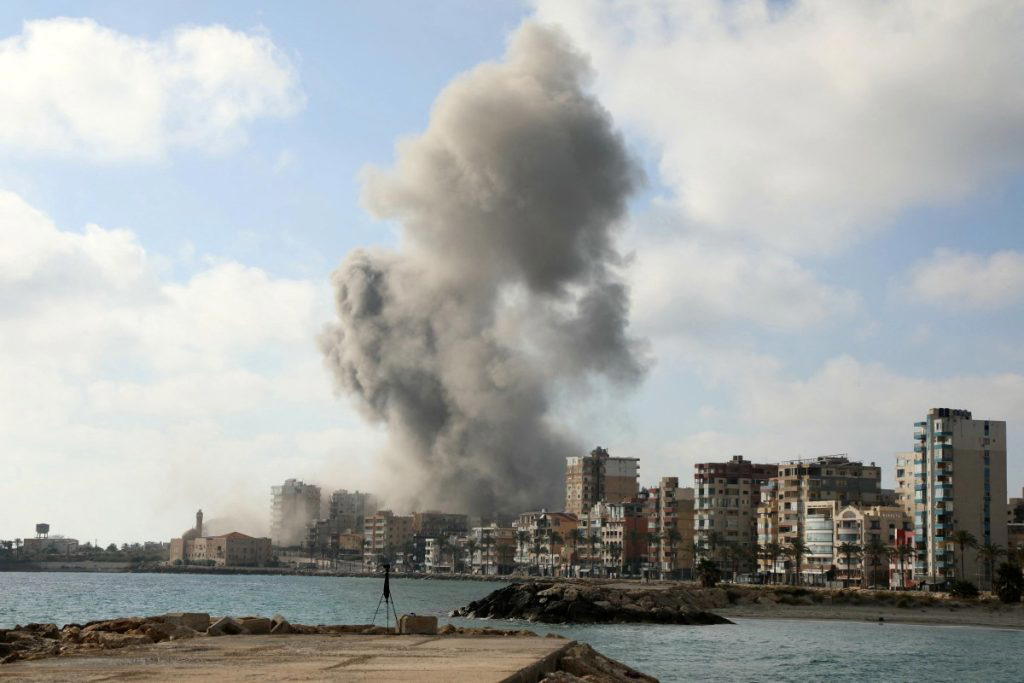
Recent escalation of conflict in the Middle East has heightened geopolitical risk premiums on oil prices, driving markets higher even as some producers signal willingness to add supply.
OPEC+ ministers also warned of the medium-term risks to market balance if policy changes and supply responses diverge.
The statement noted that a return of OPEC+ volumes to the market, a stronger-than-expected response from U.S. shale producers and weakening demand after a period of very high prices could create “a very large oversupply problem,” underscoring the group’s continued emphasis on calibrated, flexible management of output.
Traders and industry observers will be monitoring whether the announced quota increase translates into additional crude available for export, and how developments in the Middle East and U.S. shale production respond in the coming weeks. For now, analysts say the modest July hike is unlikely to materially cool the current price rally while physical bottlenecks and geopolitical risk persist.