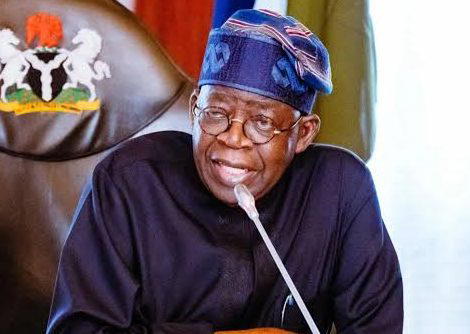
President Bola Tinubu has said that the economic reforms introduced by his administration were driven by necessity rather than ease, noting that they were aimed at restoring stability, improving fiscal discipline, and repositioning Nigeria’s economy for long-term growth.
In his Democracy Day address, Tinubu said that three years ago, Nigeria’s public finances were under severe strain, investment was discouraged, and widespread economic uncertainty threatened national development. He explained that the administration chose to act decisively by embracing reforms designed to advance what he described as Nigeria’s economic freedom.
According to him, since 2023, the reforms have helped restore stability and credibility in economic management. He noted that federation revenues have increased significantly, enabling state and local governments to access more resources for infrastructure, education, healthcare, and security.
The president also stated that fiscal transparency has improved under the reforms, with leakages reduced and public funds now better directed toward national priorities. He added that investor confidence has returned, leading to increased investments across key sectors such as agriculture, energy, manufacturing, technology, mining, transportation, and the creative industries.
Tinubu further highlighted gains in the energy sector, saying domestic refining capacity has grown, strengthening Nigeria’s energy security and reducing dependence on imported petroleum products.