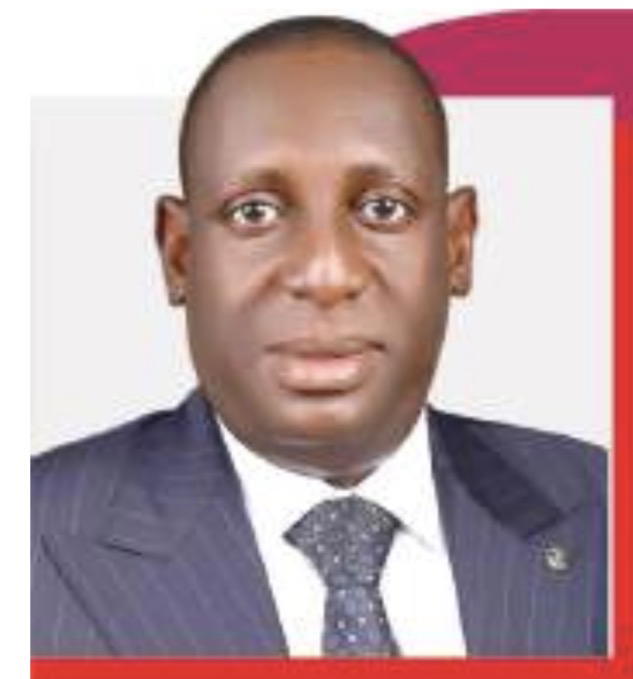
Sponsored by Hon. Chike John Okafor (APC, Imo), the bill seeks
to the Nutritionists Registration Council of Nigeria to regulate, control and standardize the practice of nutrition in Nigeria.
It also provides for the registration and licensing of practitioners, ensuring that only qualified, competent and ethical professionals can practice.
Part II of the bill creates a public Register of Nutritionists and Nutrition Assistants, ensuring only qualified persons can practice.
Related News
The bill empowers the Council to approve institutions and training curricula, guaranteeing that practitioners are adequately trained to meet national needs.
Part IV establishes an Investigating Panel and a Disciplinary Committee to investigate and sanction misconduct, maintaining the integrity of the profession.
In a lead debate on the general principles of the bill, the sponso, Okafor said the legal instrument is a vital tool for public health protection, akin to the regulation we have for doctors and other health professionals.
“This Bill is not merely a piece of legislation; it is a necessary legislative response to a ‘ticking time bomb’ of malnutrition and food insecurity that threatens our national development and the wellness of Nigerian citizens.
“It is worthy to state that this Nutritionists Registration Council of Nigeria when established will be self-funding just like other professional regulatory bodies in Nigeria. It is important we note that this bill is not in competition with the Dietitians Council Bill. It is both mutually reinforcing, but clearly different disciplines.
“It ensures that while Dietitians receive statutory recognition for their clinical role by providing clinical nutrition services for the treatment of diet-related diseases like diabetes and kidney disease in the hospital, the Nutritionists Registration Council remains vital for the entire spectrum of our community, and public health nutrition, ensuring maternal and child nutrition, food and nutrition policy, academic, nutrition research and program implementation, among many others are covered.
“We must note that the unregulated Gap: Currently, the title “Nutritionist” is not legally protected in Nigeria. This has led to what is described as the “ugly balkanisation of the profession,” leaving it “vulnerable to the invasion of quacks.”
“This bill is the necessary legislative response to close that gap, protecting the public from unqualified practitioners. By regulating the nutrition profession, we ensure the public can distinguish between a clinically trained dietitian for disease management and a nutritionist focus on general nutrition value chains and wellness of Nigerians,” he added.