•As stakeholders express concerns
By Adesina Wahab
When Boko Haram terrorists abducted over 276 girls in their hostels in Chibok, Borno State in 2014, little did Nigerians know that it would become the beginning of nightmarish experiences of witnessing mass abduction of pupils, teachers and students from schools across the country. The statistics of the number of people killed, injured and those still in captivity is better imagined. In the last two years, no fewer than 650 students have been abducted, not adding the number of teachers and others.
Read Also: Terrorists kill vice principal, 2 others in Kogi, Edo shuts schools
In the wake of the Chibok girls saga, Nigeria and some international agencies launched the Safe Schools Initiative, SSI. Apart from the initial seed money, over N250 billion has been committed to the project, but it is like the efforts are just going down the drain. Instead of abating, the mass abductions keep increasing. The recent abduction of 46 persons, including toddlers in some schools in Oyo State has once again brought the efficacy of the initiative to question.
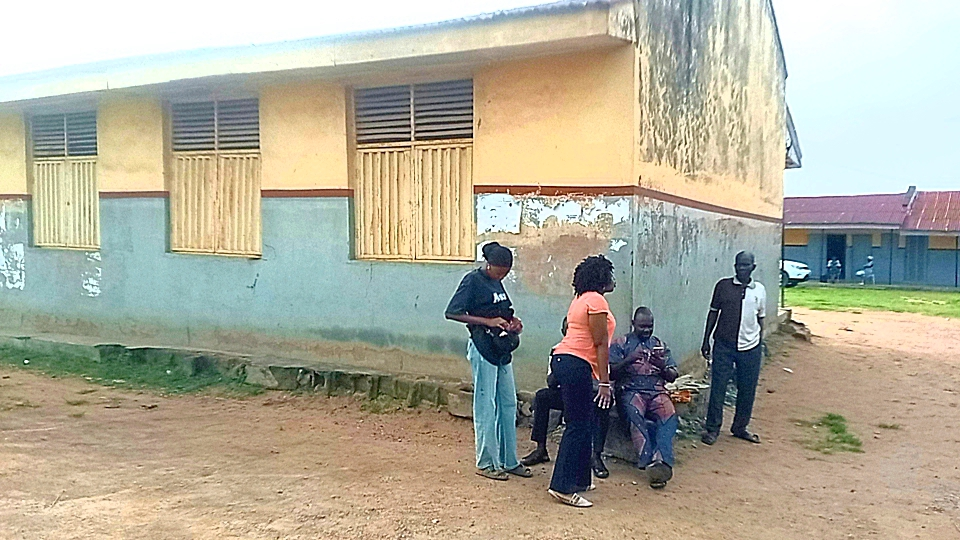
Recently, the Senate initiated a probe of the SSI and as usual, after the initial showmanship by the lawmakers, nothing has been heard. The Safe School Initiative survives more in documents than in reality. Across the country, millions of children still study in buildings with broken or no fences, no lighting, no guards, and zero emergency response capability.
Security of lives is paramount — ASUSS boss
A leader of the Academic Staff Union of Secondary Schools, ASUSS, in Ogun State, Felix Agbesanwa, while commenting on the development, suggested the followings: Strengthening security presence around schools and vulnerable communities; establishing rapid response security units in border towns; improving intelligence-gathering through community policing; providing emergency communication channels for schools in rural areas; ensuring collaboration among neighbouring states on security matters and offering adequate welfare and insurance protection for teachers serving in high-risk areas.
Speaking on the safety of teachers, he said: “The teacher who lost his life never planned to die that day. Like every committed educator, he woke up with the hope of imparting knowledge into the lives of students entrusted into his care. Sadly, he never returned home alive to meet his family. Instead, he became another innocent victim of the growing insecurity threatening our educational system and the peace of our nation.
“This painful incident raises serious concerns about the safety of teachers, students, and every Nigerian citizen. Security is one of the primary responsibilities of government, and this is exactly why leaders were elected into positions of authority. Citizens deserve to live, work, and teach without fear of being attacked, kidnapped, tortured, or killed by bandits and terrorists. I strongly appeal to all state governors, particularly within the South-West region, to rise decisively against these deadly attacks. The protection of lives and properties must remain a top priority. Schools should never become centres of fear and mourning.”
State Police should not be delayed — NAPTAN leader
The Chairman of the Board of Trustees of the National Parent Teacher Association of Nigeria, NAPTAN, Chief Deolu Ogunbanjo, noted that not much impact has been made regarding the SSI.
“We want to see improvement in the security of our schools. We know that security concerns everybody, but surely, it is the government that will take the lead. That brings us to the issue of state police, I think there should not be any further delay in implementing the policy. People who are familiar with a particular area, who hail from there, would probably know all the nooks and crannies and what to do to secure such places.
“Our children and teachers cannot function well in an environment that is unsafe. How can teaching or learning take place where both the teacher and the student are not sure of their safety? Most Nigerians are for education and we must not give in to the blackmail of the few who see nothing good in education,” he said.
Education remains the backbone of national development, and our schools must never become centres of fear and mourning.
The government must act swiftly and decisively to restore confidence in the educational system and guarantee the safety of teachers, students, and school administrators across the nation.
School security must be treated as a matter of national emergency. The federal, state, local governments and communities must combine efforts to enforce standards on fencing, surveillance, emergency drills, crisis communication, and staff preparedness. Each school should undergo regular security audits, with findings made public to ensure transparency and accountability.
Technology must also play a central role. Remote schools can be protected with CCTV cameras, alarm systems, perimeter sensors, and emergency alert applications linked to rapid security response units. Crucially, the nation must tap into the intelligence capacity of local actors, vigilante groups, hunters, traditional leaders, and community networks, whose knowledge of their terrain often surpasses that of formal security agencies.