Emmanuel Addeh in Abuja
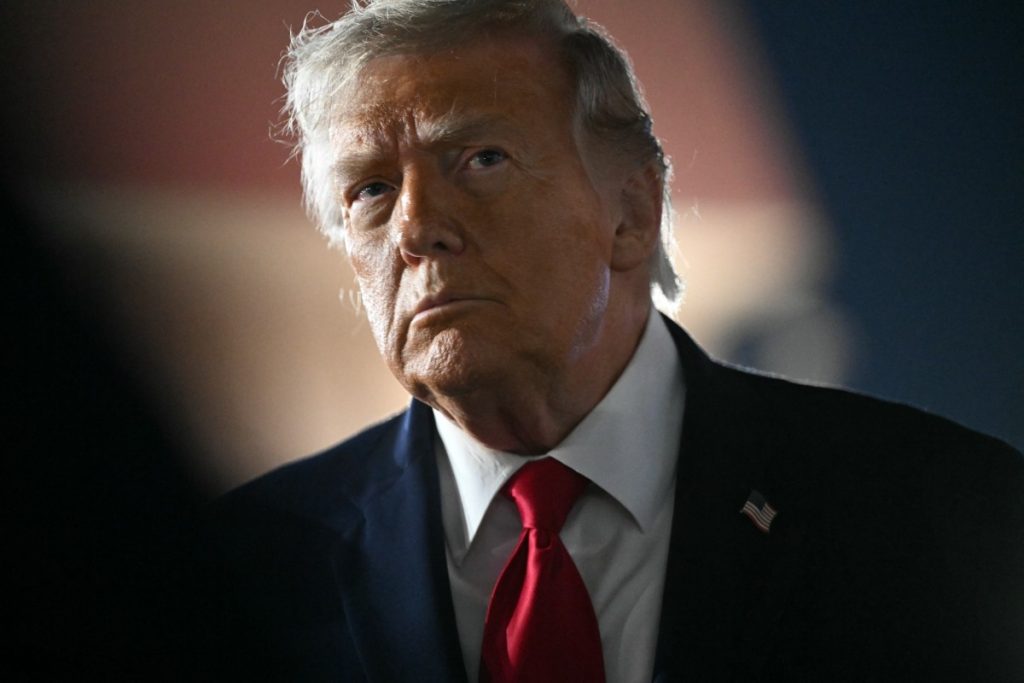
U.S President, Donald Trump, yesterday signed a Memorandum of Understanding (MoU) with Iran at Versailles, setting a 60-day window for nuclear negotiations and the reopening of the Strait of Hormuz, according to multiple U.S. officials and news reports.
Trump told reporters that he signed the document during a dinner with French President Emmanuel Macron at the Palace of Versailles, marking a major milestone in efforts to end a conflict that began in late February 2026.
The MoU is a 14-point agreement that will be formally signed Friday in Geneva, with Vice President JD Vance, Middle East envoy Steve Witkoff, and Jared Kushner attending on the U.S. side, according to the Council on Foreign Relations.
Pakistan’s Prime Minister Shehbaz Sharif, who mediated the talks, announced the signing would take place in Switzerland
The agreement addresses several core issues. Iran will reopen the Strait of Hormuz—a critical chokepoint through which nearly one-fifth of the world’s oil and natural gas supply flows—and guarantee toll-free passage for 60 days, ECIKS.org, an independent media, reported.
The U.S. will remove its naval blockade within 30 days of signing, and both sides commit to negotiating a final deal within the 60-day window that covers Iran’s nuclear programme and sanctions relief.
On Iran’s nuclear programme, the MoU commits both sides to negotiate the disposition of Iran’s enriched urani-um stockpile. Iran reaffirms it will not procure or develop nuclear weapons, while the U.S. agrees not to impose new sanctions or deploy additional forces in the region during the interim period. However, the CFR notes that disagreements remain over the length of any moratorium on enrichment—the U.S. reportedly seeks 20 years, while Iran has indicated it won’t accept more than 10 years.
The deal also includes a $300 billion reconstruction fund for Iran’s economy, with implementation details to be finalized in the final agreement. The U.S. Treasury will issue waivers allowing Iran to export crude oil and petro-leum products immediately. Access to approximately $24 billion in frozen Iranian assets will be made available upon implementation of the MOU, though the specific timeline remains under negotiation.
Steven Cook, a senior fellow for Middle East studies at the Council on Foreign Relations, cautioned that major challenges lie ahead. “We have been here before only to discover the parties cannot bridge the remaining gaps,” Cook said. “Negotiations on the outstanding issues, especially on Iran’s nuclear program, will be long and difficult.”
The conflict that preceded the deal lasted over three months and sent shockwaves through global energy mar-kets. The Iranian blockade of the Strait of Hormuz caused oil prices to surge and affected global growth projec-tions. Following the announcement of the deal framework on June 14, oil prices fell to their lowest level in three months as markets reacted positively to the prospect of restored energy supply.
The agreement also covered military operations across multiple fronts, including Lebanon, where Hezbollah—an Iranian-backed militant group—has been in conflict with Israel. Both sides committed to an “immediate and permanent termination of military operations on all fronts.”
However, Israel is not a party to the agreement, and Israeli officials have expressed concerns. Defense Minis-ter Israel Katz said Israeli forces will not withdraw from southern Lebanon and will respond with force if Iran acts aggressively.
Elisa Ewers, another senior fellow for Middle East studies at CFR, warned that the reopening of the Strait of Hormuz will require careful management. “Getting as close as possible to status quo ante will be important for global commerce, for allies to avoid setting dangerous precedents for other waterways, and for regional part-ners,” Ewers said. She added that clearing mines from the waterway alone could take weeks before normal shipping traffic resumes.
The MoU does not address Iran’s ballistic missile programme in detail, an issue the U.S. and Israel have sought to include. Some analysts believe this demand has quietly diminished as negotiations progressed, even though U.S. intelligence estimates Iran retains approximately 70 per cent of its prewar missile stockpile.
Trump had celebrated the agreement on social media, posting “Ships of the World, start your engines. Let the oil flow!”
The 60-day negotiation period will test whether both sides can resolve the nuclear, sanctions, and military is-sues that have divided them, with the agreement’s success hinging on whether Iran and the U.S. can bridge gaps that have eluded them in previous rounds of talks.