By Gift ChapiOdekina, Abuja
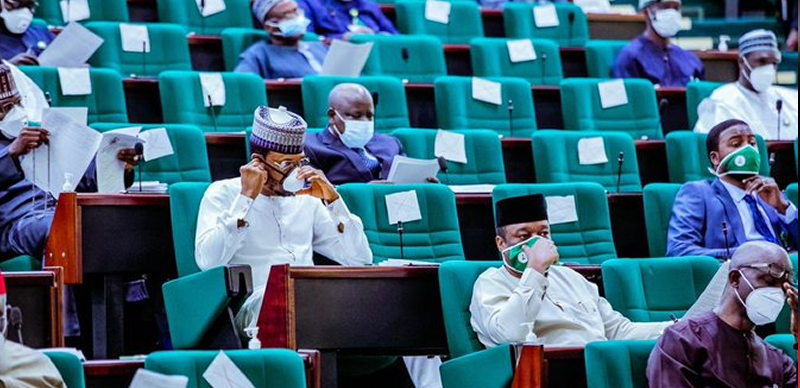
The House of Representatives on Wednesday advanced reforms to Nigeria’s price control regime as lawmakers passed a bill to amend the Price Control Act through second reading after a debate on its relevance to current economic realities.
Leading the debate, Ahmed Munir said the 1977 legislation had become outdated and ineffective in addressing modern market challenges.
He noted that while the original intent of the Act was to protect Nigerians from hoarding, price gouging and artificial scarcity, its provisions no longer reflect the economic conditions of 2026.
“The mechanisms it put in place and the list of commodities it covered are completely out of sync with present realities. As it stands today, the Price Control Act is a dead letter law,” he said.
Munir also criticised the penalties contained in the Act as inadequate and said the definition of essential goods was no longer aligned with contemporary household needs.
He clarified that the amendment does not seek a return to rigid price control policies.
“While inflation has external and structural drivers, we cannot ignore the local menace of unscrupulous middlemen, artificial hoarding and predatory price-fixing by cartels,” he said.
According to him, the amendment proposes a “smart, balanced and realistic regulatory framework” aimed at protecting consumers without stifling the free market.
“This bill is not about suffocating the free market. It is about putting a civilised guardrail on it,” he added.
He further explained that the proposal would improve transparency in supply chains and strengthen regulatory agencies such as the Federal Competition and Consumer Protection Commission.
Following a voice vote conducted by Speaker Tajudeen Abbas, the bill was unanimously adopted and referred to the House Committee on Commerce for further legislative consideration.