•Shun village meetings, birthdays, weddings, funerals, others
By Esther Onyegbula & Cynthia Alo
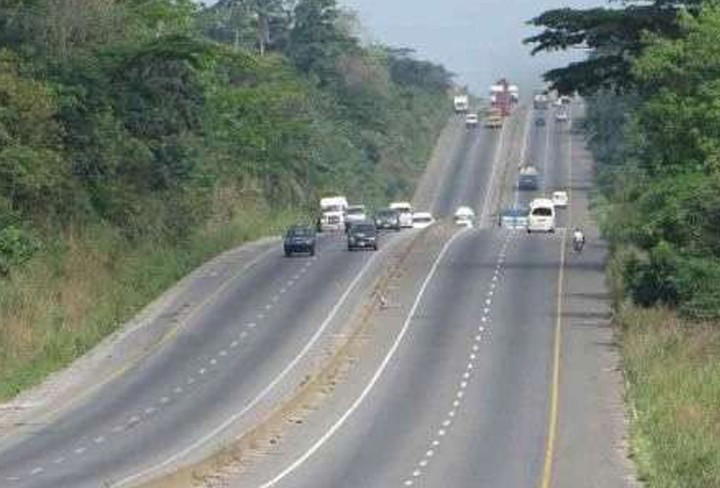
For many Nigerians, travelling for wedding ceremonies, funerals, village meetings, and other social events, activities that were once routine, has become difficult choices clouded by fear.
As kidnapping and other forms of insecurity continue to spread across different parts of the country, more people are thinking twice before embarking on journeys that were once regular.
Family obligations, cultural traditions, and social commitments are increasingly being weighed against concerns about personal safety and survival.
From avoiding night travel to cancelling trips altogether, many Nigerians are changing their lifestyles in response to the growing security challenges. While some are still willing to travel for important occasions after taking necessary precautions, others believe no celebration is worth the risk.
In this vox pop, Nigerians speak candidly about how insecurity is affecting their travel decisions and whether they are prepared to brave the roads for family and social functions in today’s uncertain times.
Family
An author, Gift Ogiagia, said: “I am not willing to travel for family or social functions at this time because of the growing insecurity and increasing cases of kidnapping across the country.
“While family gatherings, weddings, funerals, birthdays, and cultural celebrations are very important to me, safety must come first.
“The fear of being attacked, kidnapped, or caught in security-related incidents while travelling has made many Nigerians, including myself, more cautious about embarking on long-distance journeys.
“It is unfortunate because these events are meant to strengthen family bonds, preserve traditions, and bring people together. However, the current security situation has forced many people to reconsider their travel plans.
“No celebration or social event is worth risking one’s life and personal safety.”
Travelling
A social commentator, Bello Isaac, said: “The rising cases of kidnapping and insecurity across parts of Nigeria have understandably made many people more cautious about travelling, especially to rural communities and for social gatherings.
“While family and social functions remain important, personal safety must take priority.
“I am still willing to travel for very important family events, but only after carefully assessing the security situation, the route to be taken, and the safety measures in place at the destination.
“Where the risks appear high, I would rather participate virtually or postpone the trip than expose myself and my family to danger.
“The current situation has unfortunately affected social interactions, cultural gatherings, and family reunions, as many Nigerians are now forced to weigh the value of attending events against concerns for their safety. “Addressing insecurity remains critical to restoring citizens’ confidence in travelling freely across the country.”
An entrepreneur, Olawoye Samuel, observed: “Nowhere seems to be safe in Nigeria anymore.
“People travel only when it is extremely necessary, and with their hearts in their mouths until they reach their destinations. Social functions are having low turnouts.
“Even within cities, kidnappings still happen. People are being kidnapped in their homes, not only on the roads. Villages are being ransacked.
“Government, at all three tiers, has to be proactive and tackle the problem of insecurity, which is getting worse by the day.”
Family
For his part, Segun Balogun, another entrepreneur, said: “The increasing rate of kidnapping and insecurity across the country has made many Nigerians reconsider travelling for family and social functions.
“While family events such as weddings, funerals, birthdays, and village gatherings are important, personal safety must always come first.
“I would still be willing to travel for very important family functions, especially those involving close relatives. “However, before making the trip, I would carefully assess the security situation in the area, the route to be taken, and the available safety measures.
“If the risks are too high, I would consider alternative ways of participating, such as sending support, joining virtually, or postponing my visit until conditions improve.
“On the other hand, I may choose not to travel for less important social events if there are credible security concerns.
“My reasons would include the fear of kidnapping, armed robbery, attacks on highways, and the uncertainty of receiving timely security assistance in case of an emergency.
“No social event is worth risking one’s life and the safety of loved ones.
“Therefore, while family and social obligations remain important, security considerations would play a major role in determining whether I travel or not.”
Insecurity
The CEO, Hybrid Media Ventures Limited,Ogbuefi Hyacinth Nwafor, said: “Many Nigerians still feel emotionally and culturally obligated to travel for important family and social functions, but the growing insecurity across several parts of the country has forced people to become far more cautious and selective about such trips.
“Today, the decision to travel is no longer based only on family ties or social importance. People now consider security reports, road safety, timing, and the specific location involved.
“In many cases, families prefer to postpone ceremonies, reduce the scale of events, or hold them in safer urban centres rather than in remote communities.
“Personally, I believe most Nigerians still value family gatherings, weddings, funerals, and cultural celebrations because they strengthen communal bonds and social identity. “However, no event is worth risking one’s life. If adequate security arrangements are not in place, many people would understandably choose virtual participation, financial support from afar, or alternative meeting arrangements.
Fear
“The increasing fear of kidnapping has also changed travel behaviour.
“Many now avoid night journeys, deserted highways, and spontaneous trips.
“Some travel only in groups, while others rely more on air transport despite the high cost.
“Unfortunately, insecurity is gradually affecting social cohesion, local economies, and long-standing cultural traditions tied to community gatherings.
“Ultimately, Nigerians want to remain connected to their roots and loved ones, but safety has become the overriding concern.
“Until there is a stronger security presence, improved intelligence gathering, safer highways, and greater public confidence in law enforcement, many citizens will continue to limit non-essential travel, even for highly important occasions”.
A journalist, Isaac Bundle, added: “To be very candid with you, travelling on Nigerian roads is a big risk that, if I had my way, I would not take.
“But as a journalist, there are times when I do not have a choice because the job must not suffer under any circumstances.
“That is the reason I may be willing to travel. However, if it is for a social gathering, I am not taking the risk. Whatever I have, I can send to the celebrant.”
For communication expert, Barnabas Akindele, “Given the current level of insecurity and the increasing incidents of kidnapping across the country, I am not considering road travel for family or social functions at this time. No event is worth risking one’s life and safety.
“The government needs to take more decisive and effective steps to address these security challenges, strengthen law enforcement, and ensure that citizens can travel freely without fear.
“Until there is a noticeable improvement in security, many Nigerians will continue to avoid unnecessary travel”.
Intelligence
Also, an online television producer, Mike Osemeke, said: “I am still willing to travel for important family and social functions, but only after carefully assessing the security situation and taking necessary precautions.
“Family events such as weddings, funerals, birthdays, and traditional ceremonies are important aspects of our culture and help strengthen family bonds and social relationships. Completely avoiding such gatherings can affect community cohesion and deprive people of important moments of support and celebration.
“However, the rising cases of kidnapping, armed attacks, and other security threats across parts of Nigeria have made safety a major consideration.
“Before travelling, I would seek information about the security situation along the route and at the destination, avoid travelling at night, use safer means of transportation where possible, and stay in regular contact with family members and trusted contacts.
“In some cases, if intelligence reports or local advice indicate a high level of risk, I may choose to postpone the trip, attend virtually, or send my goodwill messages instead. No social event is worth risking one’s life.
“Ultimately, while insecurity has made many Nigerians more cautious about travelling, I believe important family and social functions still deserve consideration.
“The decision should be based on a balance between the significance of the event and the prevailing security realities.
“Personal safety must remain the top priority, but maintaining family and community ties is also essential for social well-being.”
Multiple
Manager, Media Services, Mediacraft Associates Limited, Eteghe Daniel, declared that: “Nigerians are currently facing multiple challenges at the same time: insecurity, where schoolchildren in Borno and Oyo States are still in captivity; hunger in the land; bad governance; xenophobic attacks against Nigerians in South Africa; and many more.
“In terms of whether to travel for family or social functions, given the current level of insecurity and kidnapping incidents in many parts of the country, I would be reluctant to travel for most social functions unless absolutely necessary.
“While family events are important, no celebration or gathering is worth risking one’s life. I would only consider attending if there were reliable security assurances, safe travel arrangements, and a clear assessment that the destination and route were secure.
“Even though family events such as weddings, funerals, and other significant gatherings are important cultural and social obligations, personal safety must come first.
“I would take necessary precautions, such as confirming that the route is safe, travelling during the day, staying informed about security updates, and avoiding high-risk areas.
“While insecurity has made many people more cautious, maintaining family and community ties remains important, provided adequate safety measures are taken.
“With the way insecurity is spreading across the country, even in the South-Western states, it is obvious that no place in Nigeria is safe anymore.
“Hence, the onus lies on every individual to be vigilant and security-conscious at all times. For me, at this moment, when insecurity is at its peak, I would rather stay safe and attend future family or social engagements, but not for now.”
Movements
A publisher, Adeleke Olubanwo, noted:” The growing incidence of kidnapping and violent crime has undoubtedly affected the confidence of many Nigerians in attending social gatherings and travelling outside their cities or states.
“While it is important that citizens continue their daily activities without living in fear, security concerns have made many people more cautious about their movements, especially when travelling by road or attending events in unfamiliar locations.
“To restore public confidence, the government and security agencies must strengthen intelligence gathering, increase security presence on major highways and in vulnerable communities, and invest in modern surveillance technology.
“There should also be improved coordination among security agencies to ensure a rapid response to security threats.
“Furthermore, the government must address the root causes of crime, including unemployment, poverty, and youth disenfranchisement, through sustainable economic and social intervention programmes. “Community policing should be encouraged to enhance collaboration between residents and law enforcement agencies. “Ultimately, restoring public confidence requires not only effective security measures but also visible results in the fight against kidnapping and violent crime. Nigerians need to see that criminals are being apprehended, prosecuted, and punished according to the law.”
Afraid
A clergy, Rev. Fr. Emmanuel Duru, added:”Yes, I will go, but not carelessly.
“I will travel to the village. I should not be afraid, because I am called to teach others how to be men and women of faith. God protects His people, and He will continue to guide His children. It is risky, yet what else can we do?
“No place is truly safe, but we are still called to visit our family and friends, even in faraway villages.
“The Good Shepherd does not abandon his sheep, and a priest can’t abandon his people. At the same time, God gave us the gift of prudence. So I will pray, I will take wise precautions, and I will go because the Gospel must reach our villages too.
“Christ knew the risk when he set his face toward Jerusalem. Luke 9:51. He still went, because love goes. If God wills that I go, he will also give the grace to go safely. And if anything happens, I am in His hands.
“Pray for me, and pray for our brothers and sisters in the village. We do not act out of fear, nor out of foolishness. We act out of faith.”
Village
On his part, Harmonie Ugo, a businessman, added: “Insecurity hasn’t been something that should limit my movement when it involves family members or important business I have to attend to, I still make the trip. I just plan better now. I am more careful. I check the situation on the ground first, and I avoid risks where I can. “
Sharing his opinion, an entrepreneur, Hanatu Bunu, said: “I planned to travel to the village for holidays but with all the kidnapping and insecurity everywhere, I will no longer go.
“I am from the Northern part of the country and even traveling inside the village is dangerous now.
“Kidnappers are getting bolder now that they beat up farmers in their farm and sometimes end up killing them.
“Although , my family told me recently that things are a bit better now, but they still have to be very careful every day when they go to the farm. For me, if it’s not necessary, I’m staying in Lagos.”
Concerns
Another business owner, Aniagolu Precious, noted:”I may not travel to the village at this time due to the current security concerns in the country. The presence of bushes around some areas, reports of kidnapping, and concerns about the safety on certain roads make me cautious. While I would love to visit my village and spend time with family, my safety remains a priority. I would only consider travelling if I am convinced that the route and the area are safe. Until then, I would rather avoid taking unnecessary risks.”
Differing, Credit Risk Manager, Jesse Ugwunwa, declared: “I will travel in spite of the insecurity but with extreme caution, heavy vetting, and far less frequency than before.
Going to the village for major milestones like weddings, burials, or traditional festivals, isn’t just a holiday. It’s a core part of who we are and how we maintain our identity. For many, staying away entirely feels like letting the bad actors win and allowing communal bonds to sever.
However, the days of throwing bags into a car and driving down at a whim are long gone.”
ited States aviation regulations, adding that neither of them was considered overaged under the applicable rules and the aircraft was American registered.
Speaking on News Night, an Arise TV programme, Spiff, however, said while the current age limit for commercial pilots in Nigeria was 65, the country’s regulations were under review. He also faulted the pilot’s decision to take off from the road after the incident, saying the action was unauthorised.
He said: “Before I say anything, I must remind you that investigations have already started on this incident. So, I must not kind of preempt anything. However, I can tell you for sure that the Nigerian Safety Investigation Board, NSIB, that is mandated to carry out investigations on serious incidents and accidents is already on it.
“If they determine that it is not a serious incident, then they will hand it over to the NCAA. The pilots that flew that aeroplane have American licences. The pilot is 75. The co-pilot is 70. The pilot is not overaged in America. The standards in Nigeria are slightly different from America. This aeroplane is an American registered aeroplane, November registration. The pilots that flew it hold American licences. They operate in America. They have different parts. They call them the condition of regulations. They are operating under what they call Section 14. And not only Section 14, this aircraft was operated under Section 14.
On what the rule in Nigeria says, he said: “In Nigeria, it is 65. Once you are 65, you stop flying commercial. But we are also reviewing our regulations. Aviation is a very dynamic field, it is not static. It is not stationary. It is an improvement, a modification everyday. Nigeria itself is looking into it. It is in the Civil Aviation Act. It is yet to be implemented that after 65, a Nigerian pilot can actually fly private, not commercial, as long as he passes his first-class medical.
“But these guys are not flying with Nigerian licence. The owners of this aircraft will eventually be revealed when the investigation gets there. But the operator of this aircraft could be different from the owner.
“But the operator is VMO Aero. It is a Nigerian company, but this aircraft is American registered, and because it’s American registered, the pilots hold American FAA licences and operate under part 91 and part 135 of the regulations of the FAA.
“It is not a breach. This aeroplane had a flight plan filed from Lagos to Asaba. That was his destination. He did go to Asaba, made an approach in Asaba. He could not land. He did a go around, how he ended up landing on a strip or a road, a newly constructed road, only the pilot and his God could determine it. During the investigation, it would come out if there was any ulterior motive to it.
“For him to have taken off, it was not allowed because he did not obtain any clearance for takeoff. He did a kamikaze (suicide mission) action. There will be penalties. So far, the NCAA has suspended their commercial certificate, which is called a PNCF.”
Asked about the safety of Nigerian airspace, he said: “I must say at this point that for one incident to have happened in so many months and so many years should not question the safety of Nigerian airspace. The Nigerian airspace is very safe. This was an isolated incident.”